
Moving closer to family can feel like stepping into a familiar story with a new ending. You gain proximity to people who know you best, yet you also risk losing some of the independence you worked hard to build. The challenge is not whether to move, but how to do it in a way that strengthens relationships without shrinking your sense of self.
Takeaways
- Choose a neighborhood that reflects your daily habits, not just your family’s address
- Set boundaries early to avoid blurred roles and constant availability
- Use proximity to family as support, not a substitute for your own routines
- Treat the move as a platform for career growth, not a pause button
Choosing a Neighborhood That Supports Your Life
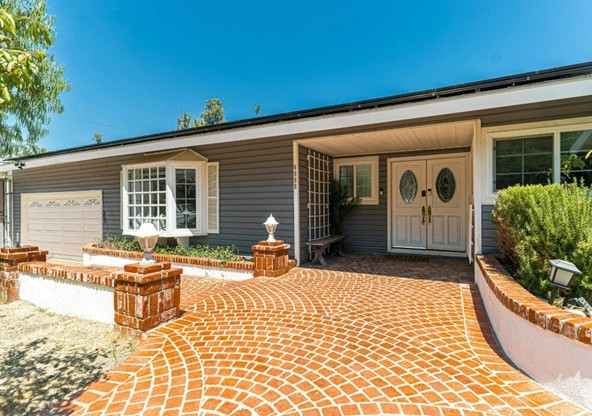
Where you live sets the tone for how independent you feel. A place within a short drive of family can still be its own world if it offers walkable streets, coffee shops, gyms, or green space you’ll actually use. Pay attention to commute times, noise levels, and how the area feels at different times of day. The goal is to make your home base a reflection of your lifestyle, not just a convenient address.
Setting Boundaries Without Creating Distance
Closeness does not require constant access. It helps to be upfront about routines, work hours, and personal downtime so expectations don’t quietly stack up. Boundaries are easier to maintain when they’re framed positively, such as scheduling regular family dinners instead of leaving plans open-ended. Clear communication early on prevents resentment later.
Using Education to Build Independence and Local Roots
Going back to school can be a powerful way to establish your own identity after relocating. It places you in new social circles, introduces you to mentors, and creates momentum that’s separate from family dynamics. Many people choose to pursue credentials that align with local job markets, and earning a healthcare degree can be especially meaningful. Consider this if you want to positively affect the health of individuals and families in your community. Flexible online programs make it realistic to balance coursework with work and family commitments.
Making the Move Easier With an Expert Realtor
Relocating doesn’t have to feel overwhelming when you have guidance from people who know the area well. Working with experienced professionals can help you see beyond listings and understand how different neighborhoods align with long-term goals. Leading Vegas Realty offers local insight and personalized support whether you’re buying, selling, or leasing. Their familiarity with Southern Nevada communities can help you find a home that keeps you close to loved ones while still supporting independence and career momentum. The right partnership turns a stressful search into a confident decision.
How to Stay Close Without Losing Yourself
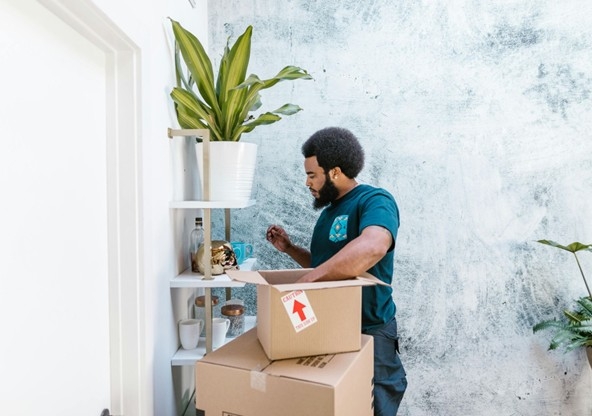
Before the boxes are unpacked, it helps to think through daily realities. The steps below can guide your planning:
- Define how often you want to see family in a typical week
- Map out work, school, and personal commitments first
- Choose housing that minimizes friction with those commitments
- Create one or two non-family routines you’ll keep sacred
- Revisit boundaries after the first few months and adjust
Common Tradeoffs
Every choice comes with gains and compromises. Understanding them ahead of time makes the transition smoother.
| Aspect | Potential Benefit | Possible Challenge |
| Proximity to family | Built-in support system | Less privacy if expectations aren’t set |
| Familiar environment | Emotional comfort | Risk of falling into old roles |
| Career opportunities | Local referrals and networks | Fewer options in smaller markets |
| Lifestyle pace | More balance and stability | Adjustment from a faster city rhythm |
Moving Closer to Family FAQs
If you’re seriously weighing this move, these questions often come up while you’re deciding.
Will moving closer to family hurt my independence?
It doesn’t have to, but independence won’t maintain itself automatically. You’ll need to protect routines and commitments that define your day-to-day life. When those stay intact, proximity becomes a benefit rather than a limitation.
How close is too close when choosing a place to live?
There’s no universal distance, but convenience should not equal constant access. A short drive often works better than walking distance for preserving personal space. What matters most is how easy it is to say yes or no without friction.
Can this move realistically support career growth?
Yes, especially if you approach it strategically. Local networks, education, and flexible work arrangements can all open doors. The key is treating the move as a transition, not a retreat.
How do I reset family expectations if old patterns resurface?
Address it early and calmly rather than letting frustration build. Naming the change you want usually works better than pointing out what’s wrong. Most families adjust once new norms are clear.
Is it smarter to rent first or buy right away?
Renting can provide breathing room while you learn the area and dynamics. Buying makes sense once you’re confident about neighborhoods and long-term plans. The right choice depends on timing more than finances alone.
Conclusion
Moving closer to family is less about geography and more about design. With thoughtful neighborhood choices, clear boundaries, and a focus on personal growth, you can deepen relationships without losing yourself. The transition works best when you treat it as a fresh chapter, not a return to an old one. Done well, it becomes a foundation for both connection and independence.
Bret Engle